








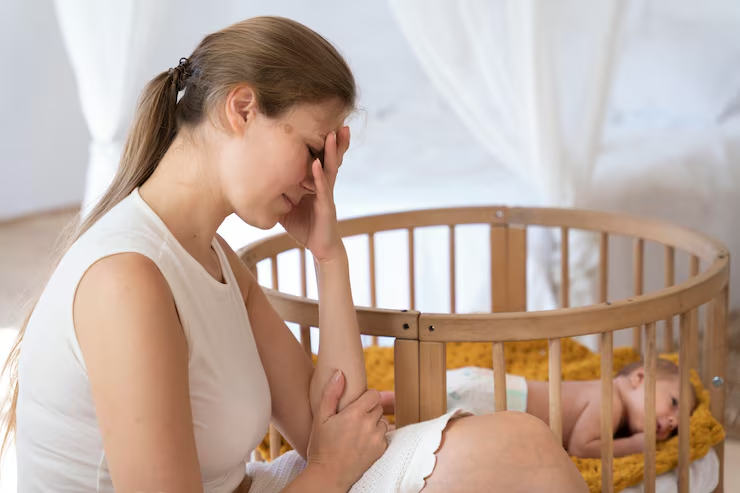
Having a baby can bring major physical and emotional changes. While many mothers experience the temporary mood changes, anxiety or exhaustion, some experience them more severely.
One of the mental health conditions that can arise in new mothers is postpartum psychosis. It is a rare but severe condition that can cause a person to lose contact with reality. Symptoms can include hallucinations, paranoia, severe confusion, significant changes in behaviour and difficulty distinguishing between what is real and what isn’t.
The mother experiencing postpartum psychosis may have difficulty recognising that they are unwell, making it difficult for them to seek help themselves.
Unlike postpartum depression which is more common, it affects approximately one in every 1,000 women who give birth. The condition can develop rapidly, making it important to recognize its warning signs and seek help as soon as possible.
“Postpartum psychosis can occur suddenly with symptoms like hallucinations, delusions, and rapidly changing mood. This is a medical emergency requiring urgent care,” says the World Health Organization (WHO).
What can postpartum psychosis look like?
Changes in behavior can sometimes provide an early indication that something is wrong.
A person who was previously functioning normally may begin behaving in ways that are noticeably different from their usual personality. They may become unusually agitated or energetic, develop intense fears or suspicions, or begin experiencing hallucinations or unusual beliefs.
The changes may involve areas such as sleep, mood, behavior and perception. It may start with just one area but can include several areas at once.
For example, severe insomnia may occur alongside anxiety, confusion or increasingly unusual behaviour. A person may also become intensely preoccupied with their baby or develop beliefs that seem irrational to those around them.
These symptoms are different from the ordinary exhaustion and low mood that can accompany caring for a newborn.
An example that has drawn attention to postpartum psychosis
The 2023 case of Lindsay Clancy in Massachusetts brought public attention to postpartum psychosis after she was accused of killing her three children. Her defence has argued that she was experiencing postpartum psychosis at the time.
During court proceedings, details were presented about changes in her behaviour, sleep and mental state following childbirth, including reports of severe insomnia, anxiety and hallucinations.
There are no conclusions made so far, but the case shows how severe the consequences of postpartum psychosis can be, not just for the mothers but for their families as well. Postpartum psychosis is a rare mental health condition that can involve a loss of contact with reality and requires urgent professional attention.
Why can it be difficult to recognise?
One of the complexities of postpartum psychosis is that symptoms can fluctuate. A person may appear stable or seem to be improving before their condition becomes worse again.
This can make it difficult for families to know whether they are witnessing ordinary changes after childbirth or something more serious. A new mother may also not recognize that her thoughts or perceptions have changed. Someone experiencing hallucinations or delusions may believe that what they are experiencing is real.
This is one reason why the people around a new mother can play an important role in identifying warning signs.
The condition can also be difficult for families to recognize because the changes may initially appear to be ordinary reactions to having a newborn. New mothers may already be experiencing disrupted sleep, anxiety, exhaustion and emotional changes, making more serious symptoms harder to identify.
Who is more likely to experience it?
Postpartum psychosis can occur in women without a previous history of mental illness, although certain factors can increase the risk.
It is more likely to occur in women who have previously experienced certain mental health conditions or who have a family history of related mental health conditions. Women with bipolar disorder or schizoaffective disorder are also at increased risk.
It is reported more commonly among women who have recently given birth to their first child and tends to develop within the first two weeks after childbirth, although the timing can vary.
What should families do?
If a new mother begins experiencing hallucinations, paranoia, severe confusion, extreme insomnia or difficulty distinguishing reality from what is not real, these symptoms should be taken seriously.
Rather than arguing with the person about what they are experiencing, those around them should focus on keeping them safe and seeking urgent medical and psychiatric care.
A person experiencing severe psychotic symptoms may not recognize that they need treatment, making support from family and healthcare professionals particularly important.
Postpartum psychosis is a serious condition, but it can be treated. Seeking help quickly is critical to protecting the mother and those around her.
Understanding the bigger picture
Postpartum psychosis is rare, but its severity makes awareness important.
The weeks following childbirth are already a period of significant physical and emotional adjustment. Changes in sleep, mood and behavior can therefore be easy to dismiss as part of becoming a new parent.
But when those changes become extreme, particularly when a person begins losing contact with reality, they require attention.
For new mothers and their families, understanding the warning signs can make it easier to recognise when normal adjustment to life with a newborn may have developed into something more serious.
Mental health care after childbirth is therefore not just about treating depression or helping mothers cope with the demands of a new baby. It also means recognizing rare but severe conditions such as postpartum psychosis and ensuring that mothers experiencing them receive the treatment and support they need.