











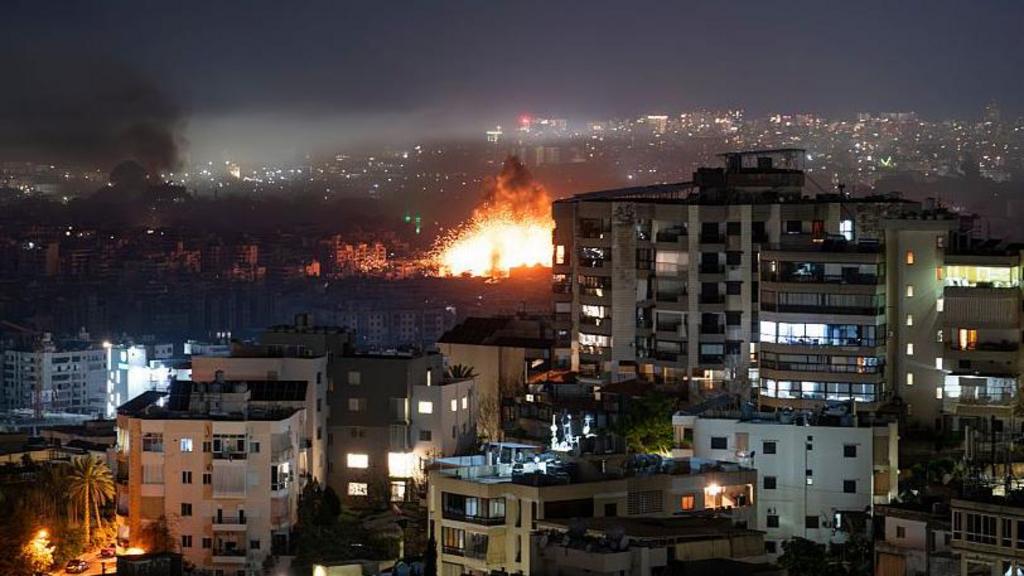
The ongoing conflict involving the United States, Israel, and Iran has entered a critical phase, with global attention shifting to a series of attacks on key energy infrastructure that could have far-reaching economic consequences.
In a major escalation, Israel reportedly struck Iran’s South Pars Gas Field — the world’s largest natural gas reserve shared with Qatar — causing significant damage and triggering instability in global energy markets. Analysts warn that this move could disrupt gas supplies worldwide.
Iran responded swiftly with retaliatory strikes targeting energy facilities across the Gulf region. Reports indicate that liquefied natural gas terminals in Qatar were hit, alongside additional attacks on U.S. and allied military installations in Kuwait and Jordan.
Former U.S. President Donald Trump issued strong warnings, stating that further attacks on allied energy assets could prompt severe retaliation, including threats against Iran’s key gas infrastructure. However, he later suggested that Israel would hold off on additional strikes on gas fields for the time being.
The conflict has already had a major economic impact. Global oil and gas prices have surged sharply, with some reports indicating increases of up to 30%. This has raised fears of a wider economic ripple effect, affecting markets in Europe, Asia, and beyond.
Additional developments have added to the uncertainty:
Concerns have emerged regarding the leadership stability in Iran, with reports suggesting internal challenges at the highest level.
The Federal Bureau of Investigation is investigating alleged leaks tied to the conflict.
U.S. Director of National Intelligence Tulsi Gabbard faced tough questions in Senate hearings, declining to confirm whether Iran posed an immediate threat.
Meanwhile, the broader geopolitical environment remains tense, with the U.S. national debt reportedly surpassing $39 trillion amid the crisis, further complicating the global economic outlook.
As the conflict enters its third week, world leaders and analysts are closely monitoring the situation, with growing concerns that continued escalation could trigger a wider regional or even global crisis.
What This Means for Kenya
While the conflict is unfolding far from East Africa, its effects are likely to be felt locally. Rising global fuel prices could translate into higher transport and commodity costs in Kenya, putting additional pressure on households and businesses.
More updates are expected as the situation develops.